
Is Samhain the Celtic New Year? Understanding Its Roots, Rituals, and Myths

Every October, as nights grow longer and leaves turn gold, many people wonder where our Halloween traditions truly come from. Beneath the pumpkins and costumes lies a festival far older and deeply rooted in Celtic culture: Samhain, the ancient celebration that marked the Celtic New Year and inspired much of what we now call Halloween.
The Meaning of Samhain
So… what is Samhain exactly? The word Samhain (pronounced SAH-win) comes from Old Irish and means “summer’s end.” It marked the transition from the light half of the year to the dark, when harvests were complete and winter’s cold began to settle in.
Samhain symbolized renewal, endings and beginnings. It was a time to honor ancestors, reflect on the past, and prepare for the months of darkness ahead. The Celts believed that during this liminal moment, when the harvest ended and winter began, the veil between worlds grew thin, allowing spirits and ancestors to visit the living.
Is Samhain Really the “Celtic New Year”?
You’ll often hear Samhain described as the Celtic New Year, and for good reason: it marks the end of the harvest and the beginning of winter, when the old cycle gives way to the new. But historians note that this title is more of a modern interpretation than a proven ancient label.
Early Celtic sources don’t clearly state that all communities viewed Samhain as the start of the year. The phrase “Celtic New Year” gained popularity thanks to 19th- and 20th-century scholars who used it to explain Samhain’s seasonal and symbolic meaning. It’s an idea that fits beautifully with the spirit of the festival, even if the historical evidence is a little patchy.
That doesn’t make the label wrong. Many old customs, like renewing contracts, holding tribal gatherings, or beginning new tales and sagas, happened around Samhain, which strongly suggests it functioned as a kind of new year in practice.
So when you read answers to “what is Samhain?” that call it the Celtic New Year, think of it as a useful metaphor, one that captures the festival’s essence, even if it wasn’t written that way in the ancient calendar.
Samhain Beliefs and Seasonal Importance
To the ancient Celts, nature’s rhythms shaped every part of life. Samhain stood at the heart of this cycle: the final harvest, the moment when cattle returned from summer pastures and the community gathered food stores for winter.
It was also a festival of balance. Light and dark, life and death, past and future all met on this night. People lit great bonfires to protect their homes, invited the spirits of loved ones to share a meal, and left small offerings to honor the Aos Sí: the fairy-folk or ancestral spirits who were believed to roam freely at this time.
Far from being morbid, Samhain was about respect, continuity and a way to acknowledge that death was part of life’s eternal rhythm.
From Samhain to The Origins of Halloween
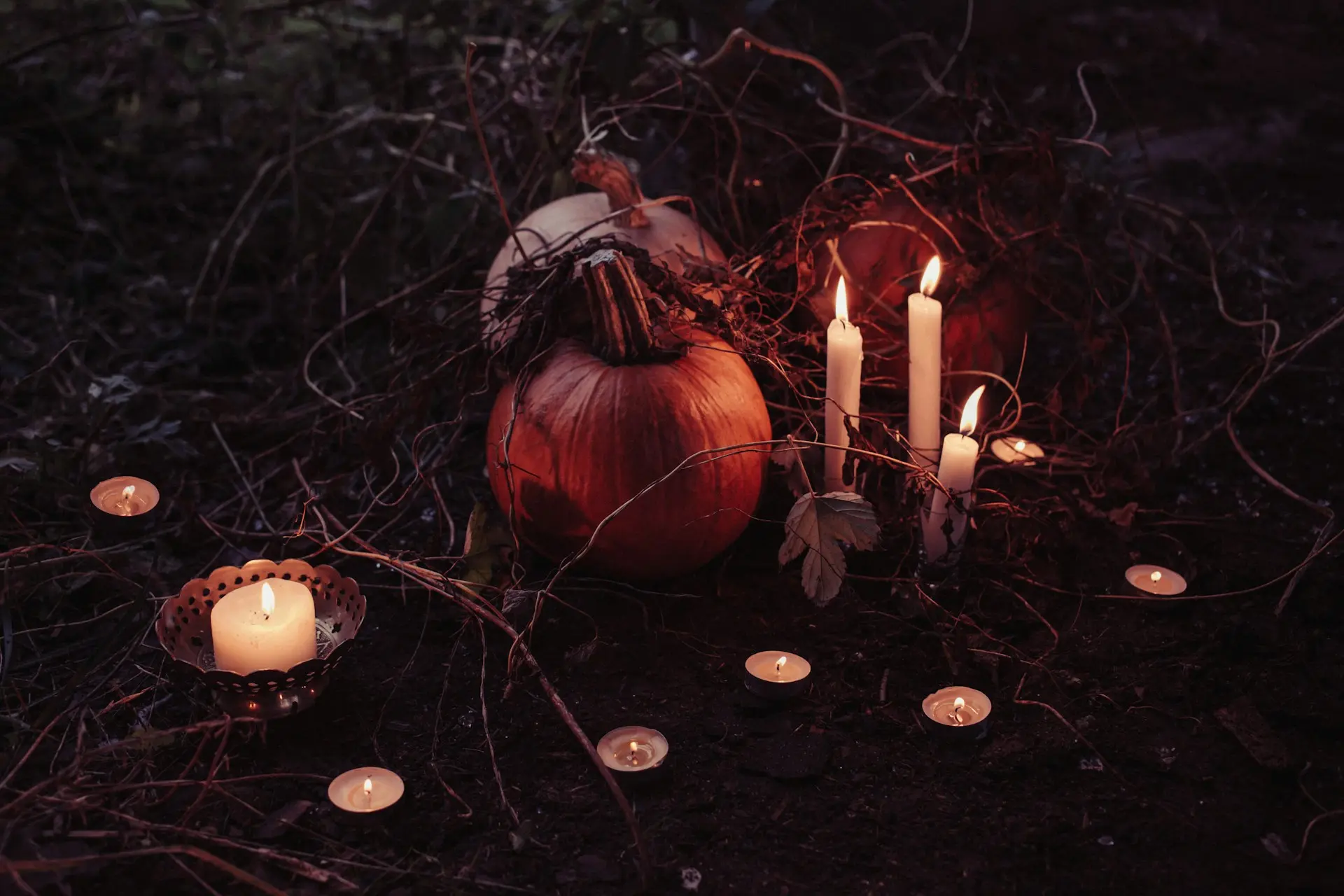
When Christianity spread through Celtic lands, the Church began to align its holy days with existing festivals.
In the 9th century, All Saints’ Day (All Hallows’ Day) was set on November 1st, followed by All Souls’ Day on November 2nd. The night before (October 31st) became known as All Hallows’ Eve, which eventually shortened to Halloween.
Old Samhain customs quietly merged with these Christian observances. People still lit fires, left food for wandering souls, and dressed in disguises to protect themselves from mischievous spirits. Over the centuries, these practices evolved: villagers baked soul cakes for beggars who prayed for their dead, while children in Ireland and Scotland began “guising”: going door to door in costume performing songs or jokes for treats.
When Irish and Scottish immigrants crossed the Atlantic in the 19th century, they carried these traditions with them. In America, the abundance of pumpkins replaced the old carved turnips, and the playful phrase “trick or treat” was born.
The result? The joyful, spooky, candy-filled celebration we now know, but one that still echoes the origins of Halloween found in ancient Samhain.
Samhain Traditions and Symbols That Still Breathe
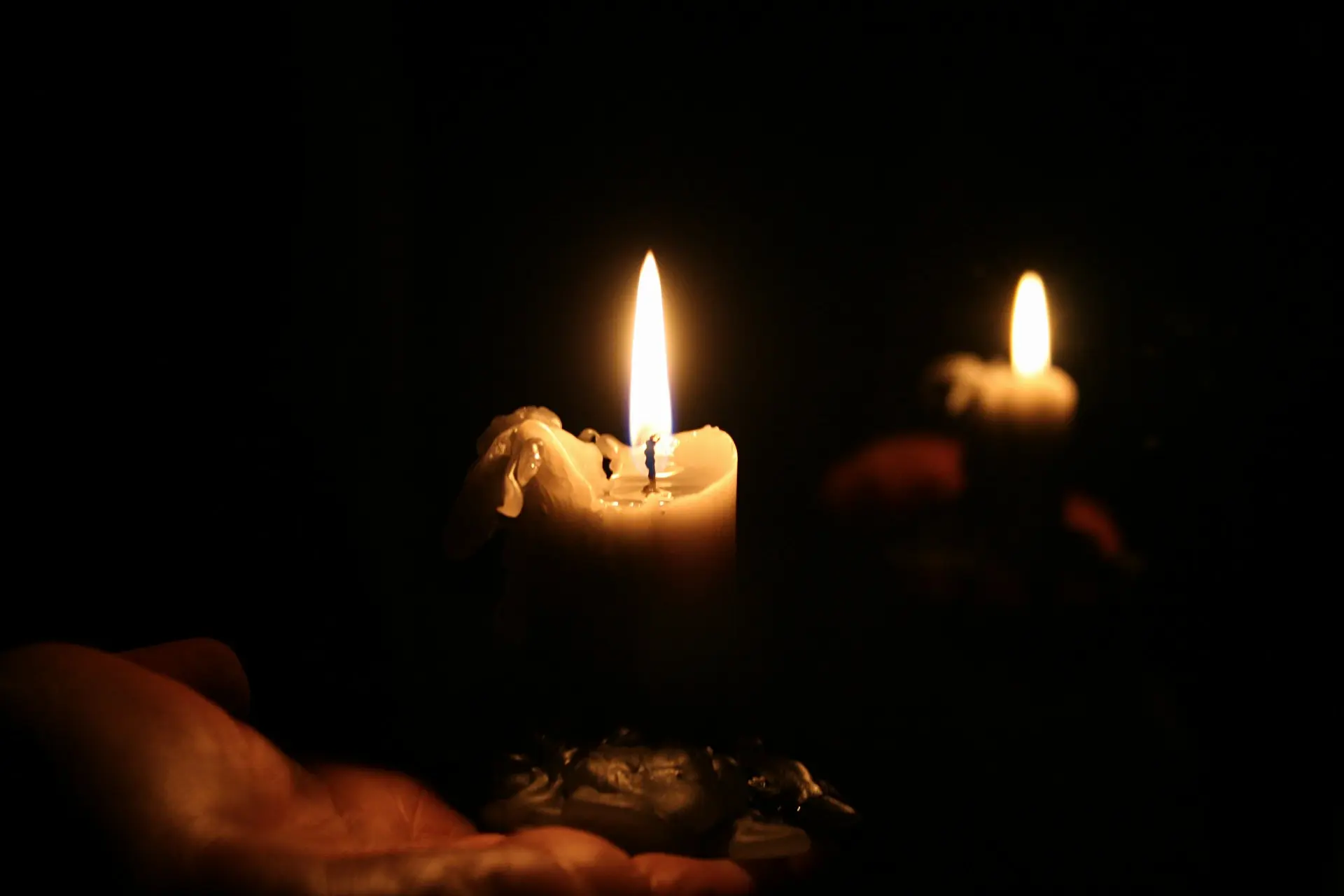
Many of the ancient Samhain customs survive today in subtle ways: in community bonfires, Halloween games, and the simple act of lighting a candle at dusk. Here are a few that continue to breathe through modern celebrations.
- Bonfires: Community fires once burned on hilltops for protection and purification. It was a way to honor the sun’s final light before winter’s darkness.
- Guising / Mumming: Wearing disguises to foil mischief, collect offerings, or perform short plays. These costumes later inspired Halloween dress-up.
- Divination: Apples, nuts, and cakes were used in playful readings about the winter ahead, games that later became Halloween party traditions.
- Offerings & Remembrance: A place set for the dead, a candle in the window, and names spoken aloud to honor loved ones who had passed.
- Threshold Etiquette: Mind the door, the crossroads, and the first foot over the sill… places and moments believed to bridge this world and the next.
If you’d like to dive deeper into each of these traditions and get inspiration and ideas on how to adapt them to modern life, read our post Samhain Traditions and Rituals.
Samhain and Halloween: What Changed, What Remained
While Samhain and Halloween may look very different today, they share a surprising amount of common ground. Both celebrate the meeting of light and dark, the end of one cycle and the beginning of another. Yet the way we honor that moment has evolved with time.
| Aspect | Ancient Samhain | Modern Halloween |
|---|---|---|
| Purpose | Marked the end of the harvest and the beginning of the Celtic New Year. A time for reflection, remembrance, and honoring ancestors. | A largely secular celebration focused on fun, creativity, and community through costumes, treats, and decorations. |
| Beliefs | Based on the idea that the veil between worlds thinned, allowing spirits and ancestors to visit. | The spiritual meaning has faded, but ghostly imagery and the fascination with the supernatural remain strong. |
| Customs | Bonfires, feasts, divination, and offerings for the dead. | Trick-or-treating, pumpkin carving, costume parties, and horror-themed entertainment. |
| Symbols | Fire, harvest crops, turnips, apples, and candles to guide spirits. | Pumpkins, candy, skeletons, witches, and glowing lights… modern echoes of ancient symbols. |
| Spirit of the Season | A sacred threshold between life and death, summer and winter. | A night of playful fear, nostalgia, and shared joy that still honors the mysterious side of autumn. |
In essence, Halloween kept the heart of Samhain alive: the sense of wonder, the blurring of worlds, and the warmth of gathering against the darkness. What was once a sacred rite of transition has become a shared cultural celebration, still connecting us, in its own way, to the ancient rhythm of the year.
Samhain Explained: Quick Questions and Answers
Is Samhain literally the Celtic New Year?
Common modern framing; useful but debated. It does mark the winter half’s beginning and, for many, a new cycle.
When is it observed?
Sunset 31 October to sunset 1 November (dates vary by community).
How is it different from Halloween?
They overlap, but Samhain emphasizes remembrance, protection, and liminality; Halloween emphasizes playful fright and pop culture. The meeting point of Halloween and Samhain is real, but not a perfect overlap.
Any easy ideas for beginners?
A candle in the window, a place set for ancestors, apple-and-nut games, and a shared meal… classic Samhain traditions that are meaningful and accessible.
Learn More About Samhain and Halloween
If you’d like to explore the history, beliefs, and folklore behind Samhain and Halloween in greater depth, these sources are a great place to start:
- History.com — Samhain
- World History Encyclopedia — Samhain
- Brown University — Origins in Samhain
- Oxford Academic — Samhain: and the Celtic Origins of Halloween
- USC Dornsife — How Did Halloween Get Spooky?
- Library of Congress — The Origins of Halloween Traditions
- JSTOR Daily — From Samhain to Halloween
Books to Dive Deeper
If you prefer turning pages instead of scrolling, here are some wonderful books that explore the history, folklore, and evolution of Samhain and Halloween:
- Halloween: From Pagan Ritual to Party Night by Nicholas Rogers. Get the Book Here
- Samhain: The Roots of Halloween by Luke Eastwood. Get the Book Here
- The Stations of the Sun: A History of the Ritual Year in Britain by Ronald Hutton. Get the Book Here.