
Samhain Traditions & Rituals: A Guide to Celebrating the Liminal Night

Samhain (pronounced “SAH-win”) marks the threshold between the light half and dark half of the year. For ancient Celtic communities, Samhain traditions started at the end of the harvest: when livestock were counted, stores were sealed, and the veil between worlds was said to grow thin.
If you’re new to Samhain, think of it as three intertwined threads:
- Protection (hearth, home, and community),
- Remembrance (ancestors and the recently departed),
- Divination & transition (reading omens, setting intentions).
In this post, I’ll show you how those traditions play out across regions and how to celebrate respectfully at home, with a mix of ancient Samhain rituals and modern, easy rituals that don’t require a stone circle or a farm.
For more information about the history of Samhain, read the full post Is Samhain the Celtic New Year?
Core Samhain Traditions: Bonfires, Guising, Divination & Ancestors
Traditional Samhain Fire Customs: Bonfires & Lanterns
Communal Flames
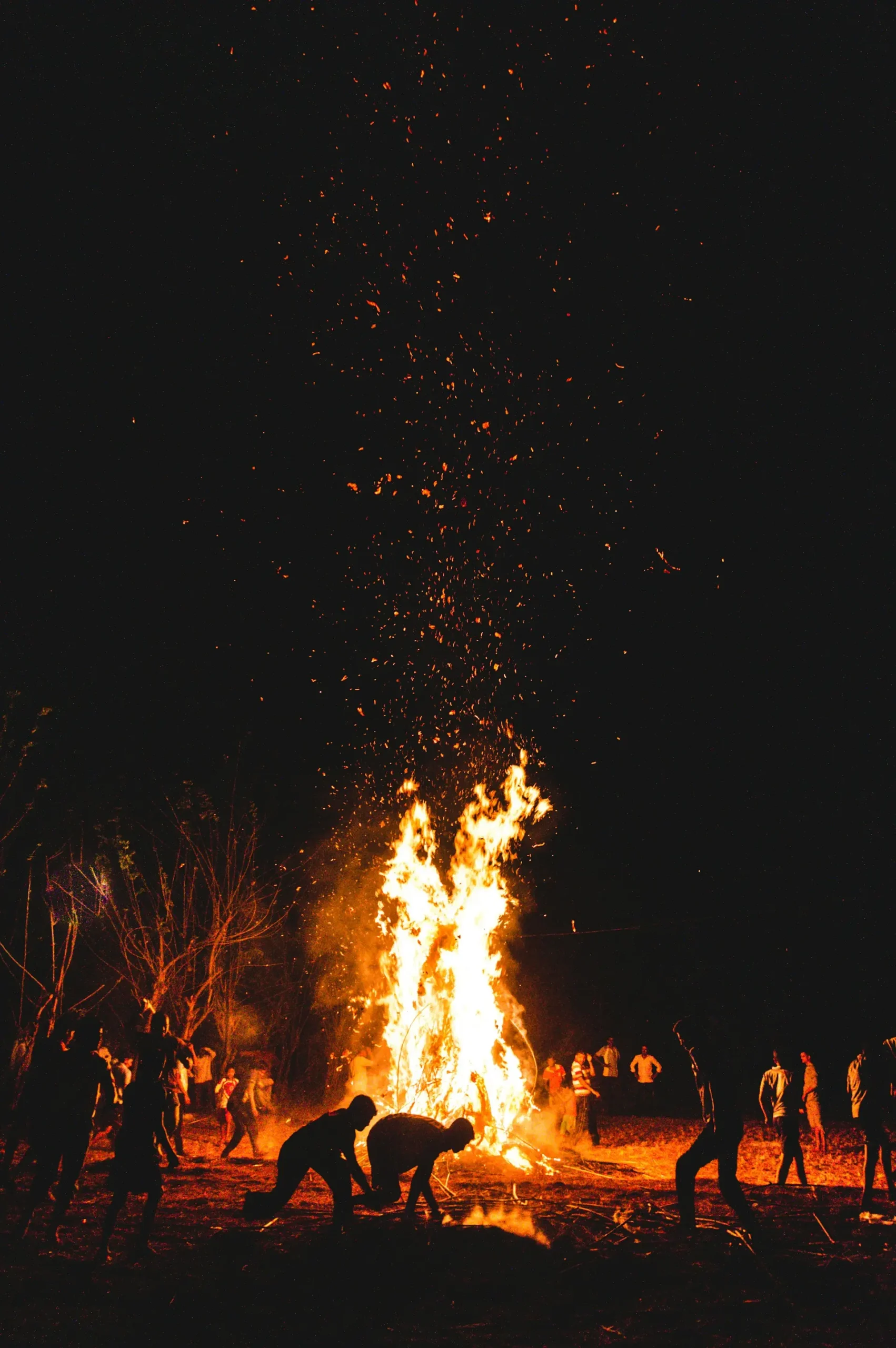
Traditional Samhain bonfires mark the turning of the year and the need for protection. In some places, home hearths were extinguished and relit from the communal flame, symbolically carrying the collective protection into private spaces.
At home, you can translate this ancient Samhain ritual by darkening the house for a minute, then lighting a candle at the door and carrying it to the kitchen to “re-kindle” the season.
Lanterns
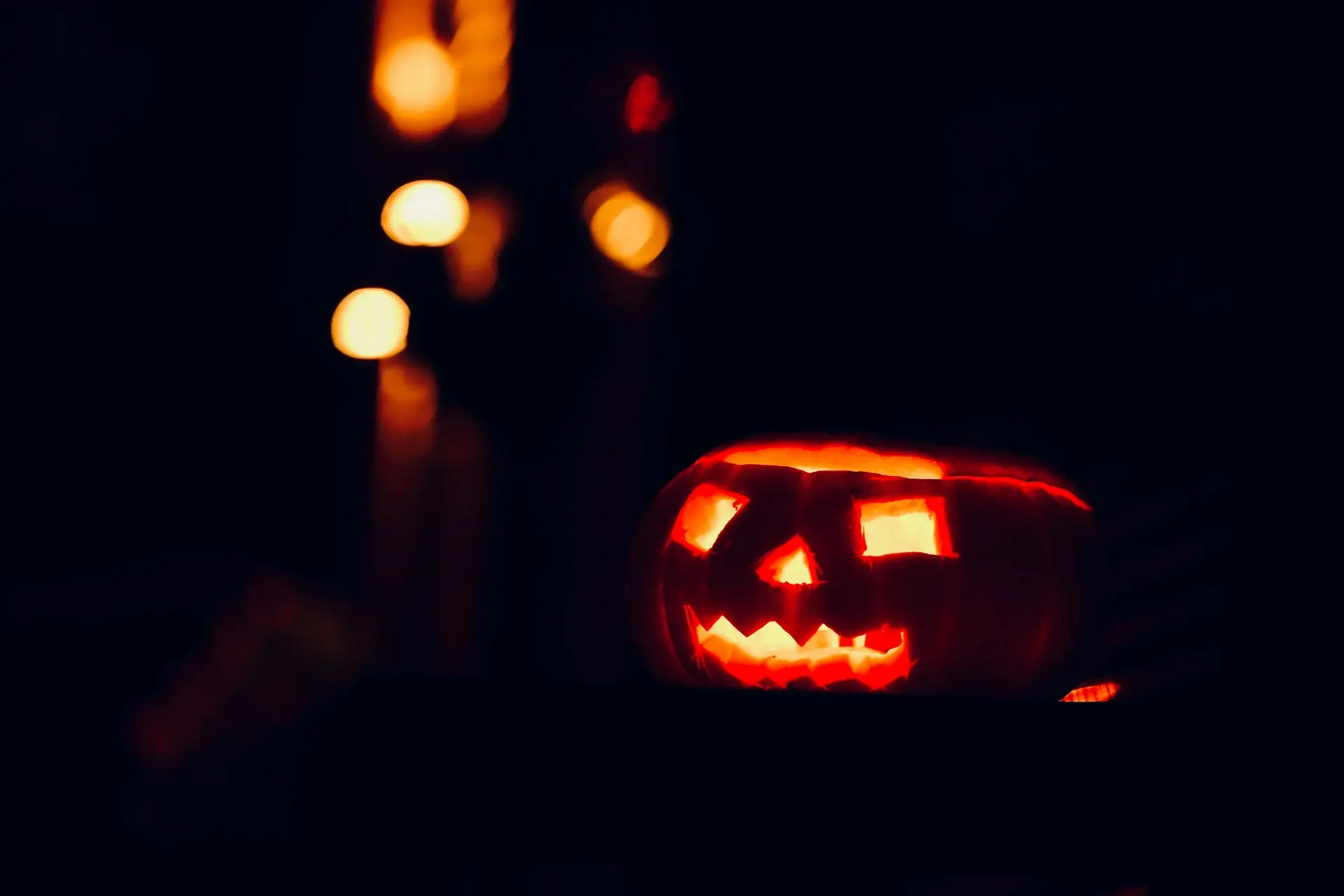
Before pumpkins, turnips (Scotland’s tumshies, Isle of Man’s “moots”) were carved into grim little guardians. If you’re up for authentic difficulty, carve a turnip; if not, a pumpkin with a sober motif (knotwork, protective sigils) still does the job.
Place lanterns at thresholds: windows, doors, garden gates…
Mumming, Guising & Protective Rites
Guising vs. Trick-or-treat
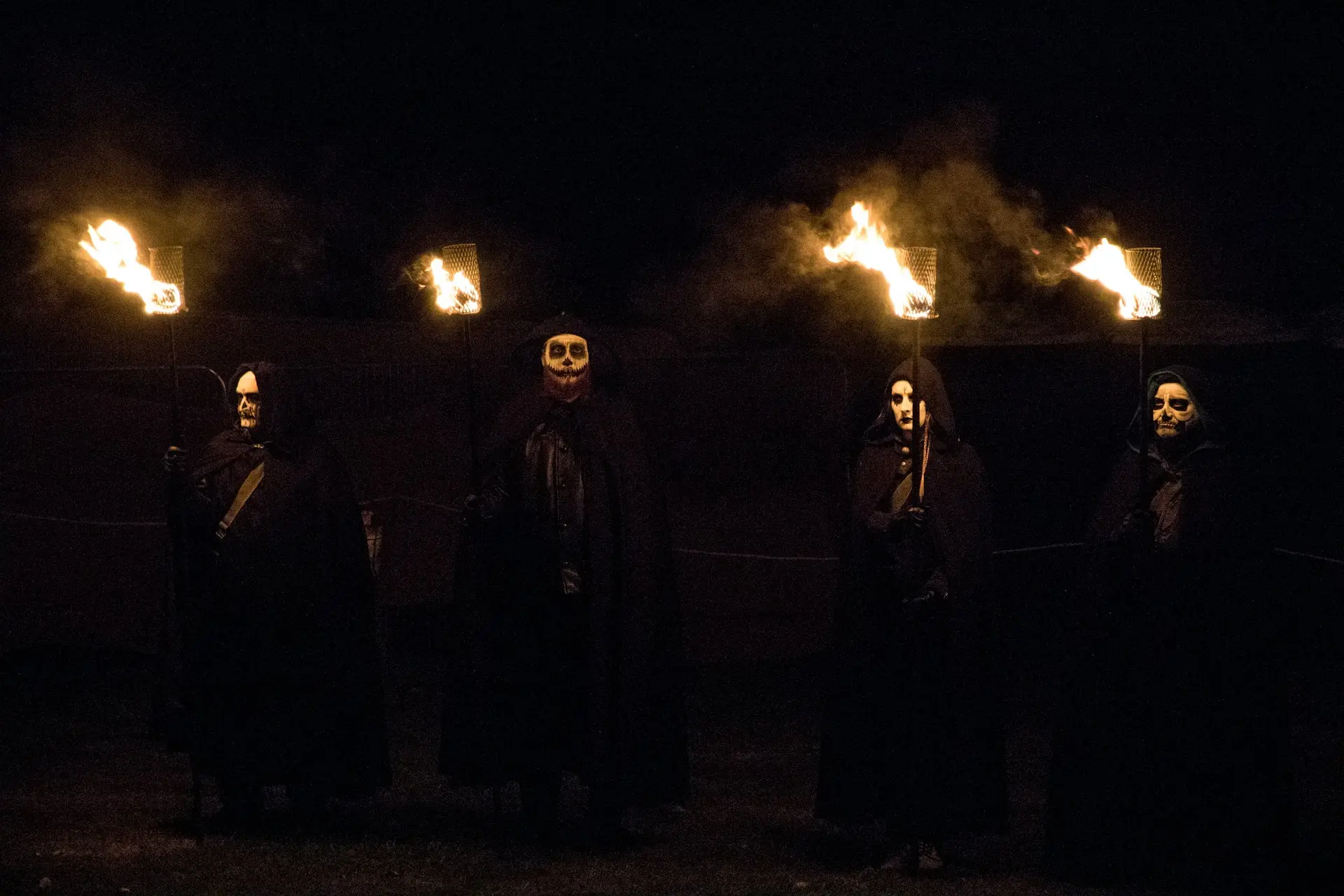
In older Scottish custom, disguise wasn’t just fun, it was protection or mimicry of spirits.
Children (and sometimes adults) would “guise” and visit neighbors, trading songs or jokes for nuts or sweets. The modern knock-on effect is obvious, but the meaning remains: community builds safety by looking out for one another.
At home, you can craft simple paper masks with family or friends and name the “spirit” each one carries (courage, steadiness, humor). Wear them briefly as you set the table and remove them to symbolize stepping back into the ordinary world, grounded and protected.
Warding Your Thresholds
Trace a protective symbol with salt water at doorways, hang a simple rowan and red thread charm if that’s part of your tradition, or say one brief line at each entrance: “Only what’s well-wishing may cross.”
Songs, chants & local figures
Many regions keep stories of nighttime wanderers, for example: Jinny the Witch on the Isle of Man, the ladi wen and hwch ddu gwta in Wales.
Storytelling around the hearth is a perfect modern container for that protective lore.
Divination Night: Apples, Nuts & Playful Foresight
Across Ireland and Scotland, apples and nuts were classic tools for divination: a lighthearted game on the surface, but deeply symbolic underneath.
Here are some fun Samhain traditions that are easy to try at home:
- Apple peel initials. Peel in one strand, toss over your shoulder, what letter do you see?
- Bobbing or “snap apple.” Safer version: remove the water and hang apples on string; hands behind backs, no shoving, lots of laughing.
- Hazelnut pair test. Throw two hazelnuts by the fire, each named, to test the “staying power” of a relationship
- Stone or token omens. Mark small pebbles for each participant, place by the hearth, and see which are warm in the morning.
Food, Offerings & Symbolism
Apples, nuts, root veg, oats, butter, and dairy echo the end-of-harvest pantry. On the Isle of Man, mashed potatoes & parsnips with fish and butter are classic.
Alongside “soul cakes”, in Spain we have huesos de santo: marzipan sweets I remember from every bakery window growing up.
If you offer food to the dead, remember to keep portions small and return them to nature respectfully. Offer water, bread, fruit, nuts, a favorite drink of a loved one… Avoid anything that will attract wildlife if placed outdoors, and don’t leave glass or wax in natural spaces.
Honoring the Dead & Quiet Rituals
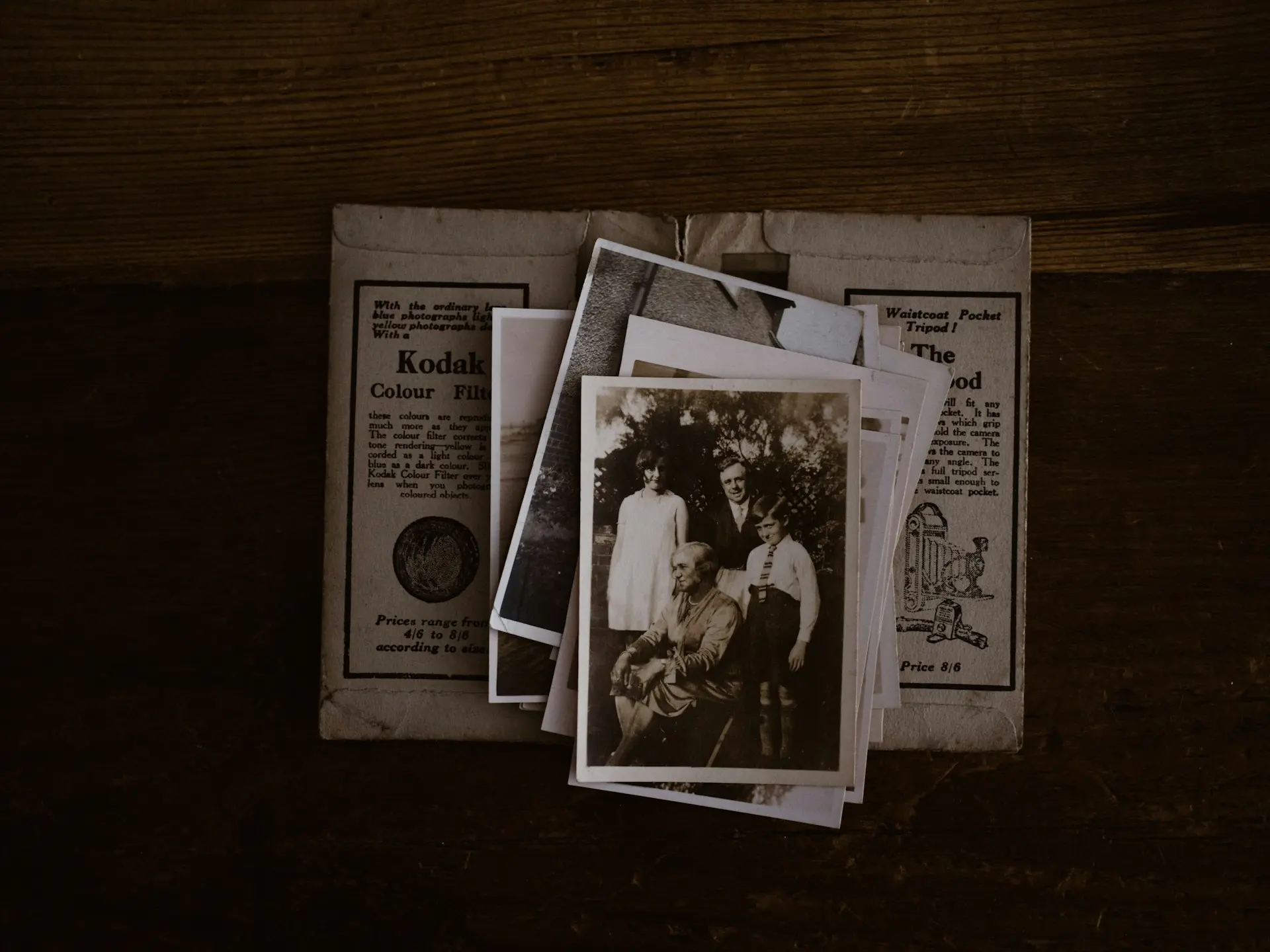
From setting an extra place at the table to leaving water and bread overnight, ancestor hospitality is foundational. I like to keep things simple: a framed photo, a candle, a favorite snack of a loved one who passed, and a few words of invitation and thanks.
If you’re hosting a group, consider a silent minute before eating (a modern Dumb Supper-style moment) where everyone focuses on memory and gratitude.
Regional Samhain Traditions Across Europe
Ireland: Oíche Shamhna
Mythic sites like the Mound of the Hostages at Tara align with the Samhain sun, and figures like Cailleach Bhéara embody winter’s raw force. It’s a culture-wide reminder: nature turns, whether we’re ready or not.
In Irish tradition, Samhain is the the first day of winter, with games that predict luck or marriage. People spoke of spirits returning and travelers avoided the dark roads.
Many households baked barmbrack (báirín breac), a sweet fruit bread that hid tiny charms: a ring for marriage, a coin for fortune, a scrap of cloth for lean times, even a rosary bead for a churchly path. Guests took a slice and read their omen for the year ahead. Today, the loaf survives mostly minus the trinkets… best toasted with butter and tea!
Scotland: Turnip Lanterns & Fuarag
Scotland lights Samhain with bonfires and, famously, turnip lanterns (tumshies). Children went guising, and divination included burning hazelnuts and pulling kale stalks in the dark to guess a future spouse’s height or wealth.
A festive staple, Fuarag (oatmeal with cream), sometimes hid tokens: a ring for marriage, a coin for fortune. These are quintessential Celtic Halloween traditions: rustic, witty, and practical.
Wales: Calan Gaeaf
Welsh communities circled bonfires and threw in marked stones: finding yours intact next morning meant good luck. Local lore warns of figures like ladi wen (white lady) and hwch ddu gwta (tail-less black sow). When I first read the verses chanted to avoid being last to leave the fire, I understood the ritual’s social wisdom: don’t drift alone into the dark. Go together.
Isle of Man: Hop-tu-Naa
Hop-tu-Naa, celebrated on 31 October, may be the island’s oldest continuous festival. Families ate a Hollantide Eve supper (mashed potatoes and parsnips with fish and butter) and left water and leftovers for visiting fairies.
Children still sing Hop-tu-Naa songs and carve fierce turnip lanterns.
Northern Spain: Samaín, Magostas & Night of Souls
Across Spain’s Atlantic arc, you can still see living echoes of our Celtic forebears: customs that thread harvest, fire, and remembrance into community life.
In Galicia, Samaín brings bonfires, dancing, carved pumpkins or turnips, roasted chestnuts, and sweets left outside “for roaming souls,” with masks of meigas and bruxas in lively processions.
Asturias and Cantabria gather around communal Magostas: big chestnut roasts with cider, music in the square, kids carving lanterns, and a quiet visit to the cemetery afterward, keeping generosity and remembrance at the season’s core.
In the Basque Country, Arimen Gaua (Night of Souls) carries the same mood with carved lanterns, sweets for children, and moments of silence for the departed, often marked today by a porch light or window candle to “guide the way” for travelers and ancestors alike.
Cornwall: Allantide Apples
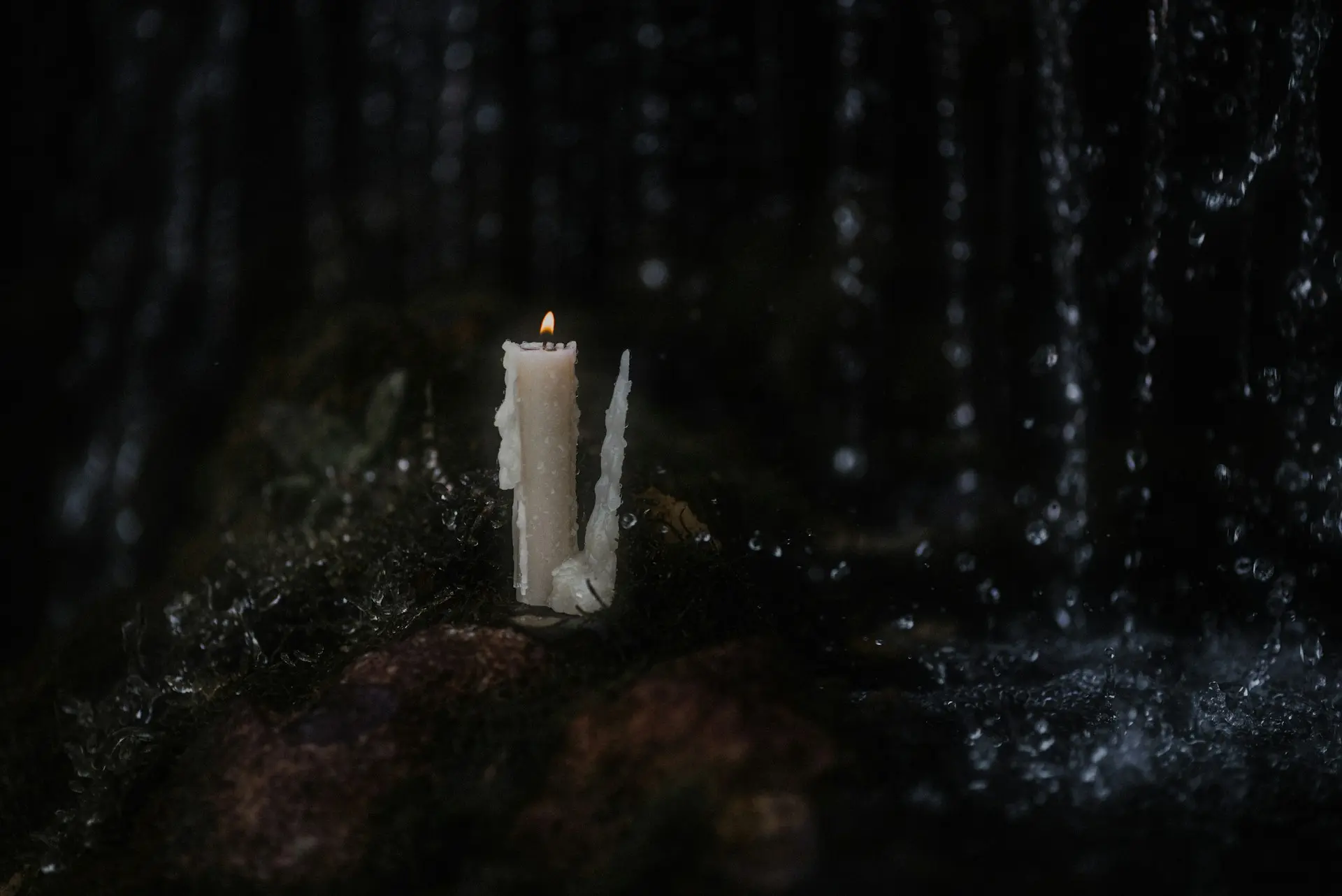
Cornwall’s Allantide (Kalan Gwav) blends Samhain with the feast day of St. Allan. Big red Allan apples were sold at fairs and gifted for luck, and girls slept with one under the pillow to dream of a future spouse.
Some villages practiced molten-metal divination, casting pewter into water and “reading” the cooled shapes. Church bells rang for the departed, and faces appeared in carved swedes.
These ancient Samhain rituals mirror the same trio everywhere: protection, remembrance, and omen-seeking.
Home-Friendly Samhain Rituals
A Simple Dumb Supper
If you are not in the mood for a more complex or longer ritual, here is a simpler option that still honours and recognises those who came before us.
A “Dumb Supper” is a silent meal to honor the dead and a easy beginner-friendly Samhain ritual:
- Prepare the table with a dark cloth, seasonal foods (bread, apples, nuts, roasted root veg), and a bowl of water.
- Set an extra place for ancestors and, when possible, place a photo or heirloom there.
- Enter in silence, each person carries a candle or sprig of rosemary. Start with a short invitation (“You are remembered here”).
- Eat quietly for 10–15 minutes, reflecting on past stories, lessons, and gratitude.
- Closing: one by one, speak a single sentence of thanks. Leave a small plate and water overnight as an offering.
Remember to keep phones away and close with gratitude and snuff (don’t blow) the candles.
Offerings & Altar Ideas
Keep it kind and minimal: clean water, bread or seasonal fruit, a note of gratitude. For example, add a thimble of cider for a grandparent who brewed their own.
If you prefer a non-spirit frame, call it a “Memory Place”: the act still supports reflection and emotional continuity.
No-Flame Alternatives
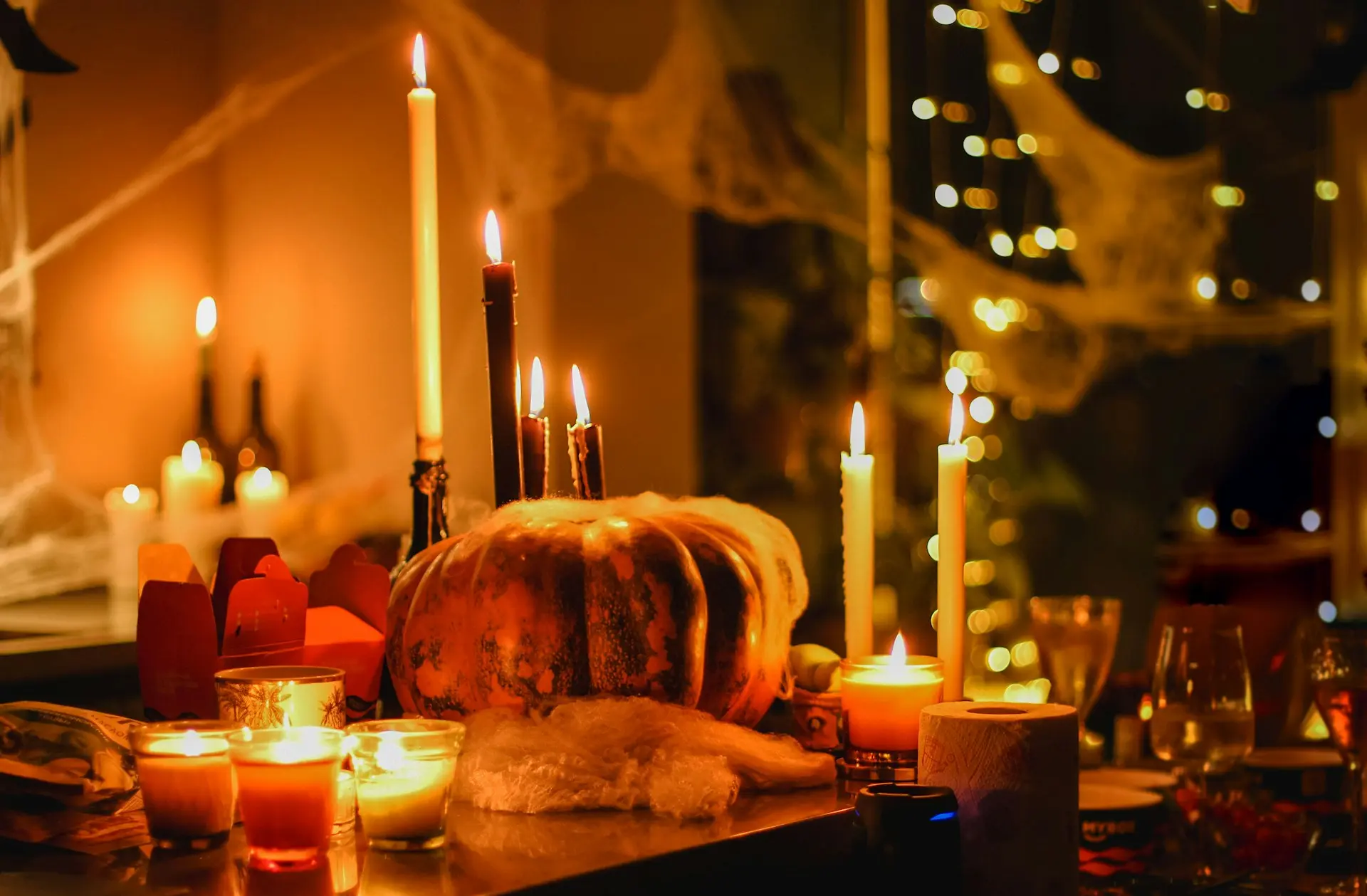
Apartments, pets, or strict fire codes? Use battery candles, salt lamps, or a contained tealight inside a jar.
You can also “bank the fire” symbolically: switch a lamp off and on, or carry a warm stone from a windowsill “hearth” to your dining space.
Safety checklist
Fire Safety
If you light anything, remember to use a stable holder, keep water nearby, and never leave a flame unattended. Outdoors, follow local regulations; indoors, go flameless if uncertain. Liminal nights are powerful, don’t add avoidable risk.
Ancestor Work with Boundaries
Not every ancestor was safe or kind. At your altar, you can invite “wise, well, and willing” ancestors only and set a boundary that anything unhelpful stays out.
Also, you can honor the role of ancestry (your existence, your gifts) without inviting specific painful dynamics.
Sources & Further Learning
If you explore deeper, especially ancient Celtic Samhain rituals, seek reputable folklore collections, local museum resources, and living community voices. Aim for respectful revival, not reenactment cosplay: adapt practices to your context with intention and care.
Cemetery Etiquette
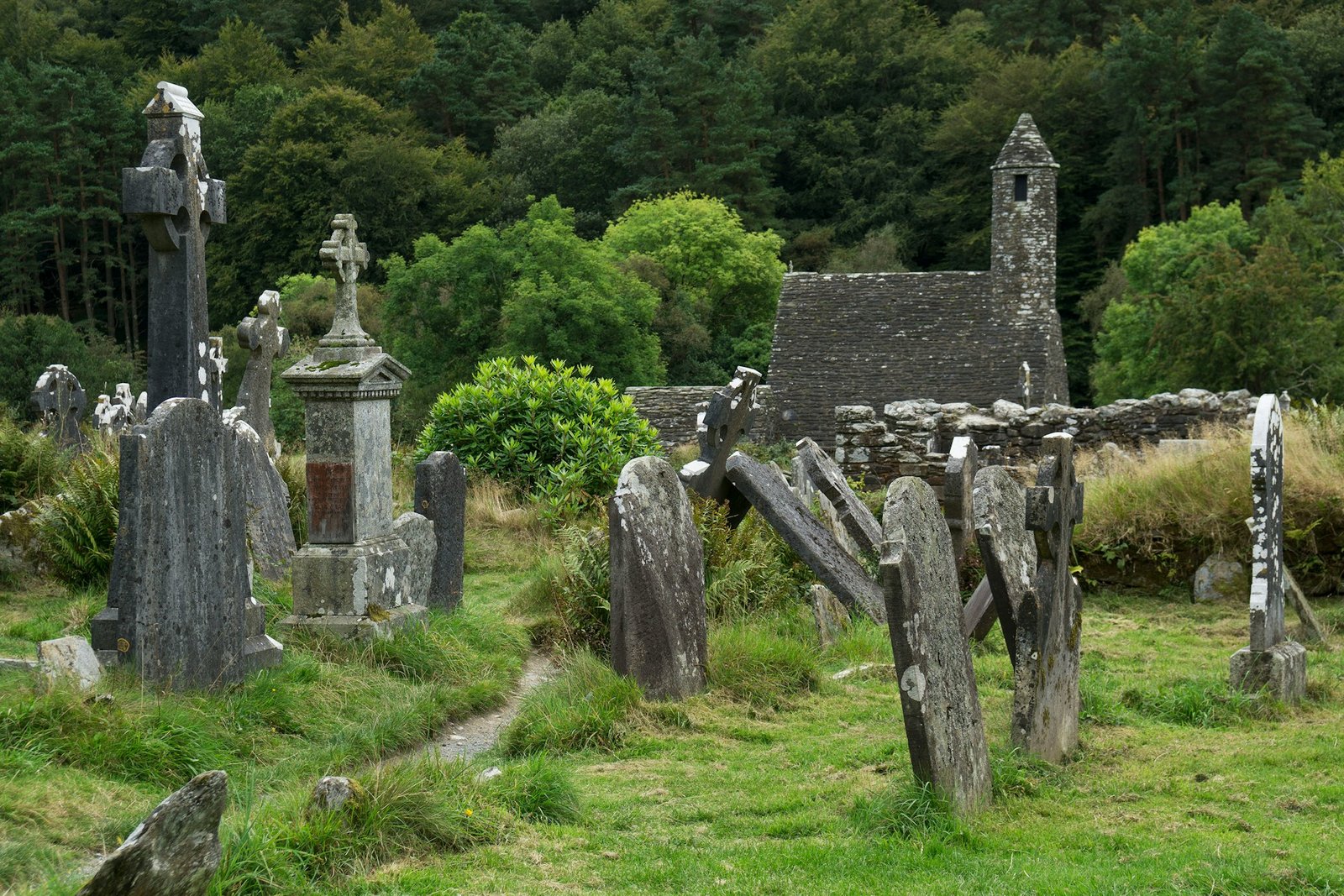
If your Samhain includes visiting graves or memorials, keep the space peaceful and respectful:
- Go by day when possible: it’s safer and less disruptive.
- Tidy, minimal offerings (flowers, water, a candle in a safe holder). Take everything back with you if the cemetery requires it.
- No litter, leave the place cleaner than you found it.
- No photos of strangers’ graves or people you don’t know.
- Keep voices low and step lightly around plots and markers.
FAQs: Your Questions About Samhain Traditions Answered
Isn’t this just Halloween?
They overlap, but Samhain is a seasonal rite about thresholds, ancestors, and winter’s start; Halloween pulls from several streams, including Samhain and Christian Allhallowtide, plus modern pop culture.
Do I have to be pagan to celebrate?
No. You can mark the seasonal turning with gratitude, remembrance, and community care in a secular way.
When is Samhain?
Traditionally, the night of 31 October into 1 November, with some groups observing at the nearest cross-quarter or by local seasonal cues.
Do I have to do everything at midnight?
No. Choose moments that feel right: twilight for lanterns, dinner for remembrance, late evening for divination…
What’s one quick practice for beginners?
Set an extra place at dinner, say one sentence of thanks, and leave a cup of water overnight. That’s an easy Samhain ritual that honors the heart of the festival.
What if I’m alone?
A solo Samhain is powerful. Try a brief candle moment, write a letter to an ancestor, or do the apple-choice exercise. Even a ten-minute ritual counts.
How do I link this to my faith?
You can pair Samhain traditions with All Saints’/All Souls’ services or prayers. The throughline is remembrance and care for the community, living and dead.
What if I’m not religious?
Focus on seasonality and gratitude: light a candle, cook an autumn meal, remember your people, set intentions for the dark half of the year.
Carrying the Flame Into Winter
When we strip Samhain traditions back to essentials, three anchors remain: fire to mark the turn, remembrance to keep our stories alive, and playful divination to face the unknown with a smile.
Whether you’re tending a hearth in a city flat, joining a chestnut-roast (magosta) in northern Spain, or watching the skies crackle over Derry, let the night be warm, respectful, and real.